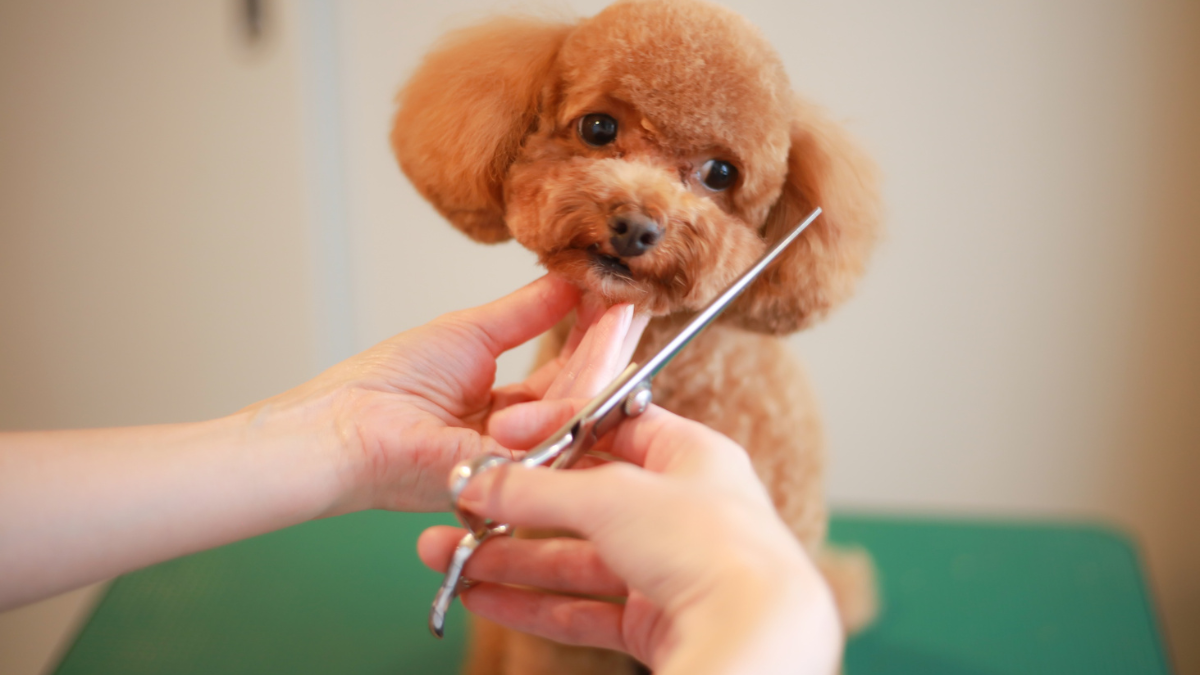
You Google "dog groomer near me." Fifty results. All 4.5 stars. Half have no photos. You call three places. One doesn't pick up. One's booked for weeks. The third says "yes, we groom your breed." So you go. And the groomer does the same clip they do on every dog.
That's the problem. A groomer who "does all breeds" and a groomer who knows your breed are two different things.
We visited grooming shops across Singapore and talked to pet owners stuck in this exact cycle. The gap: groomers had no way to prove they knew your breed, and owners had no way to check. This guide covers what to look for, what to ask, and when to walk away.
Why Breed-Specific Grooming Actually Matters
It's not a buzzword. It's a real skill gap.
Singapore's three most popular breeds are Poodles (14.12%), Maltese (11.7%), and Shih Tzus (10.87%). All three need completely different handling. A Poodle continental clip requires advanced scissoring that most groomers aren't trained to do. A Shih Tzu should get a square head cut with a topknot, not the round trim most shops default to. And if a groomer shaves a Pomeranian's double coat because they don't know better, that texture may never grow back the same.
These aren't cosmetic nitpicks. A Pomeranian's double coat is insulation. Shave it off in Singapore's 33°C heat and the dog actually overheats. The opposite of what the owner intended.
Singapore's Climate Changes the Rules
Most grooming advice online is written for temperate climates. Singapore's 80%+ humidity changes things:
- Double-coated breeds mat in 2-3 days without brushing. Not weeks. Days.
- Grooming here should happen every 4-6 weeks, not the 8-12 weeks overseas guides recommend. (See our breed-by-breed guide.)
- Incomplete drying is the #1 cause of hotspots. A groomer who blow-dries the topcoat but skips the undercoat (armpits, groin, between the toes) is handing your dog a skin problem.
A groomer who works in Singapore should know all of this without you having to explain it.
What to Look For
A Portfolio That Shows Your Breed
Check their Instagram or website. Look for before/after photos of your breed, not just their three best grooms.
You want consistency. Multiple dogs of the same breed, different coat lengths, different styles. That shows range and experience. One lucky photo doesn't.
No portfolio at all? That's a red flag on its own.
They Can Name the Cut
Ask: "What cut would you recommend for my [breed]?"
A groomer who knows Poodles will mention continental clips, teddy bear cuts, or sporting trims. A groomer who says "short or long?" hasn't thought about it.
If your groomer says "short or long?" instead of naming the cut — find a new groomer.
Quick reference:
- Poodle: Continental, English Saddle, Teddy Bear, Sporting Trim
- Maltese: Topknot with facial framing, or maintenance trim
- Shih Tzu: Square head cut with topknot, body clipped, legs longer
- Pomeranian: Teddy Bear or Lion Cut (never a full shave)
They Ask Before They Start
A good groomer wants to know your dog's temperament, health issues, skin sensitivities, and grooming history before picking up the scissors. An anxious dog needs different handling than a calm one. A dog with a skin condition needs different products.
If they take the leash and start without asking anything, they're thinking about speed, not your dog.
They Have Real Training
Singapore Kennel Club (SKC) runs a four-tier certification: Class C (120-150 hours, basics), Class B (scissoring), Class A (300+ hours, competition-standard), and Master.
It's voluntary, no legal requirement. But a Class A groomer has at least 300 hours of formal breed-standard training. That's not nothing.
Not every great groomer is certified. Some learned on the job over years. But if they have it, it's a real signal.
Red Flags
Keep it simple. If any of these apply, find someone else:
- Won't show you the facility. Good shops are proud of their setup. If they dodge a walkthrough, ask why.
- Doesn't ask about your dog. No questions about health, temperament, or past grooming? They're grooming blind.
- Your dog comes home traumatized. Trembling, hiding, tail tucked. That's not normal after a routine groom.
- Dirty facility or unclean tools. That's how infections spread.
- Rough handling or crude restraints. Grooming loops are standard. Yanking, pinning, or excessive force is not.
- Dismisses your concerns. "That's normal" is not an answer when your dog has a cut or a bruise.
- Zero online presence. No portfolio, no reviews, no track record. You're gambling.
Why Finding a Groomer in Singapore Is Still This Hard
Google ranks by ad spend, not breed expertise. Instagram shows a groomer's highlight reel but you can't filter by breed. Facebook groups have good recommendations buried in thousands of messages you'll never scroll through. Google Reviews tell you about punctuality and friendliness, not whether they can do a proper Poodle clip.
None of these let you see a groomer's actual work on your breed before you book.